Nutrition
Chokeberry changed some post-exercise blood markers in 22 adolescent swimmers
By Matthew Spencer
Published · Updated
What the trial tested
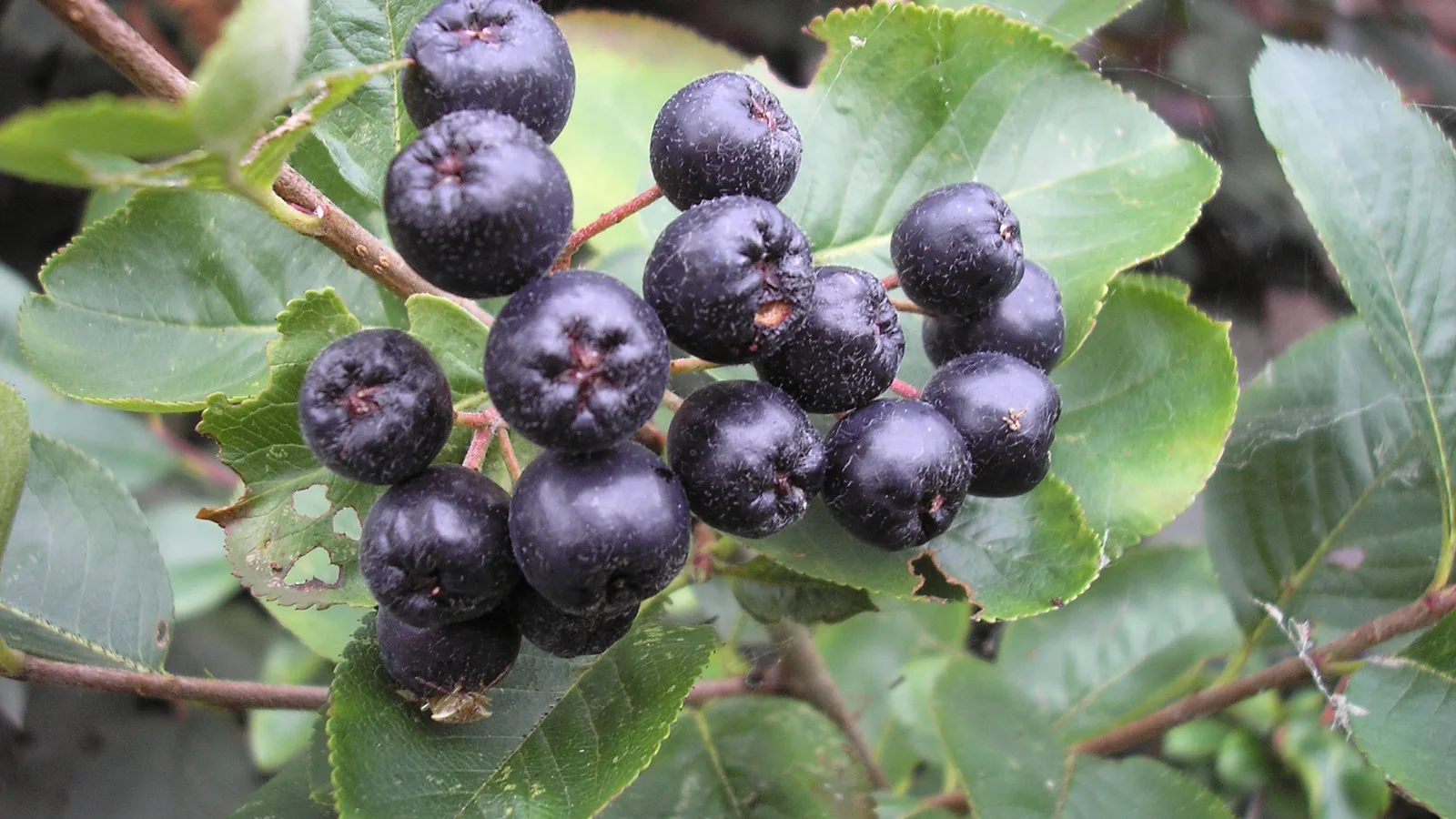
A small single-center randomised trial assigned 22 female competitive swimmers to black chokeberry supplementation or placebo. These were adolescent girls, with a mean age of 13.14 ± 1.42 years. Supplementation lasted 57.32 ± 8.31 days. The published abstract does not state the dose.
Before and after supplementation, swimmers completed two identical tests comprising 800 m, 200 m and 50 m efforts. Blood was drawn before exercise, immediately afterward and after three hours of recovery. The reported findings concern surrogate blood markers; they do not establish a swimming performance benefit.
Inflammation and antioxidant responses
Most inflammatory markers changed over time without significant group effects. During the second test, C-reactive protein (CRP) decreased from before to immediately after exercise in the supplemented group (p = 0.0325, Cohen’s d = 1.29). Placebo recovery values increased between tests (p < 0.0001, d = 3.33).
Total antioxidant capacity showed a significant time-by-group interaction (p = 0.0007), with higher recovery values in the supplemented group. This interaction describes differing patterns across sampling times and groups. It does not establish a broader health or training benefit.
Iron markers changed, ferritin stayed unchanged
Iron, unsaturated iron-binding capacity (UIBC) and total iron-binding capacity (TIBC) showed significant time effects (all p < 0.0001). Hepcidin also showed a significant time effect, with significant within-group increases only in the placebo group. Within-group significance alone does not establish a difference between treatments.
Transferrin was lower in the supplemented group at Post II, immediately after exercise in the second test (p = 0.0071, d = 1.17). Ferritin was unchanged. The abstract reports no consistent between-group hematological differences.
What the findings mean
The authors conclude that chokeberry may influence short-term post-exercise iron availability, possibly through inflammatory and antioxidant responses, without detectable effects on body iron stores or erythropoiesis, the production of red blood cells. That remains a cautious interpretation of blood marker changes in 22 adolescent swimmers.
The small single-center sample limits generalisation to other athletes and age groups. These surrogate markers cannot show whether swimmers performed better or experienced meaningful health benefits. The trial was retrospectively registered on July 3, 2024 (NCT06486623). The findings provide no basis here for dosing or supplementation advice.
Source access
This article is based on the journal’s published abstract only. The publisher page was bot-walled for this report, and no PubMed Central version was available. We have not reviewed the full text.
This is news reporting and not medical advice.