Supplements
Do collagen supplements actually work? The answer changes when you follow the funding
By Matthew Spencer
Published · Updated
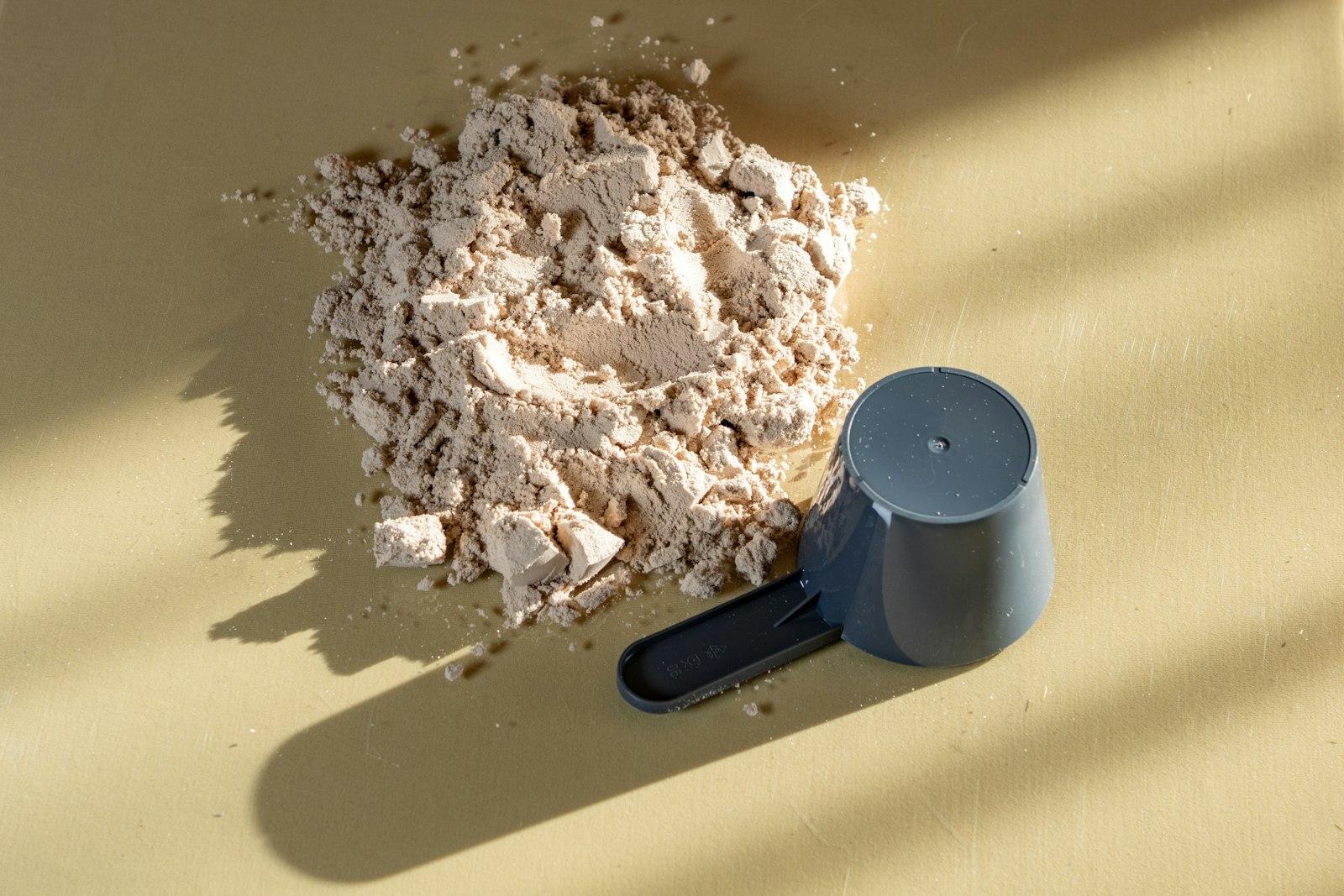
The short answer: collagen powders (example: Vital Proteins Collagen Peptides) are some of the best-selling supplements in the world, mostly sold on skin claims. Two widely cited reviews concluded they work. But when researchers separated the studies by who paid for them, the benefit disappeared.
A 2025 meta-analysis in The American Journal of Medicine looked at 23 randomized trials with 1,474 participants and found that studies funded by pharmaceutical or supplement companies showed significant improvements in skin hydration, elasticity and wrinkles - while studies without industry funding showed no effect at all. The higher-quality trials also found nothing.
A separate technical re-analysis published in 2026 concluded the positive math in the earlier reviews does not hold up. For joints, the picture is a little better, but still thin.
What the positive reviews found
Two papers did most of the work behind the collagen boom. A 2021 meta-analysis combined 19 trials with 1,125 participants and reported that about 90 days of oral hydrolyzed collagen reduced wrinkles and improved skin elasticity and hydration compared with placebo. A 2023 systematic review of 26 randomized trials reached a similar conclusion for hydration and elasticity.
If you have read that collagen is clinically proven, these are the studies behind it. Their pooled results were statistically significant, and on the surface that sounds settled.
Follow the funding
The 2025 American Journal of Medicine analysis asked a more pointed question: does the result depend on who funded the trial? The overall pool of 23 trials still showed a significant benefit, which is the number that gets quoted.
But in the subgroup analysis, trials that received pharmaceutical company funding showed significant effects on hydration, elasticity and wrinkles, and trials without that funding showed none. When the authors split the trials by study quality instead, the high-quality studies found no significant effect in any category, while the low-quality ones drove the positive result.
The authors, who reported no funding and no conflicts of interest, concluded there is currently no clinical evidence to support collagen supplements for preventing or treating skin aging.
The math problems under the hood
In September 2026, two researchers published a technical re-analysis of the two positive reviews in the Journal of Cosmetic Dermatology.
They documented a pattern of errors: measurements taken in incompatible units pooled as if they were interchangeable, standard errors treated as standard deviations, one trial without a placebo group included in a placebo-controlled analysis, and at least one result the original authors reported as non-significant showing up as significant.
The underlying trials also differed enormously - doses ranged from about 0.25 grams to 12 grams a day, collagen came from fish, pigs, cows and chicken, and durations ran from two to twelve weeks. When the re-analysts ran their own meta-regression adjusting for cumulative dose, they found no evidence of benefit at all.
Their conclusion: the evidence for collagen in skin aging is unreliable, and future syntheses need stronger methods before the results mean anything clinically.
What about joints?
The joint evidence is separate and somewhat more favorable. A 2019 meta-analysis of randomized placebo-controlled trials in osteoarthritis found collagen supplementation improved the total WOMAC symptom score (a standard arthritis questionnaire) and reduced pain scores on a visual analog scale, with the clearest effect on stiffness.
But the pain and functional-limitation subscores on their own did not reach significance, the trials were small and short, and many were industry-linked - the same weakness pattern as the skin literature. Whether an independent, adequately sized trial would still show a stiffness benefit is an open question.
The useful takeaway
If you are buying collagen for your skin, the most independent and most careful analyses available today do not support the promise on the label. For joint stiffness in osteoarthritis, the evidence leans positive but rests on small, mostly industry-funded trials, so expectations should be modest. It is also worth remembering what collagen powder is: protein.
Your digestive system breaks it into amino acids and small peptides, and your body decides where those building blocks go - there is no mechanism that sends them to your cheekbones. None of this is medical advice, and if you are considering collagen for a joint condition, that decision belongs in a conversation with your doctor.
But if the question is simply whether the best current evidence justifies the price of a daily scoop, the honest answer is: for skin, no; for joints, maybe slightly, and we are still waiting for a study that settles it.
Product links in this article are affiliate links. If you buy through them we may earn a commission at no extra cost to you.
Sources (3)
- Effects of Collagen Supplements on Skin Aging: A Systematic Review and Meta-Analysis of Randomized Controlled Trials (The American Journal of Medicine, 2025)
- Hydrolyzed Collagen for Skin Aging Meta-Analyses Are Unreliable (Journal of Cosmetic Dermatology, 2026)
- Effect of collagen supplementation on osteoarthritis symptoms: a meta-analysis of randomized placebo-controlled trials (International Orthopaedics, 2019)
This is news reporting and not medical advice.