Nutrition
FDA wipes out the last uses of three cancer-linked solvents in food colors
By Matthew Spencer
Published · Updated
The short answer: The FDA has wiped out the last legal uses of three industrial solvents in food coloring. Two orders published today remove methylene chloride, trichloroethylene and ethylene dichloride from the production of three natural color additives and from the inks used to mark fruit and vegetables. One removal was forced by a cancer law.
The rest happened because the industry had already stopped using these chemicals and asked for the permissions to be formally deleted.
What the FDA did
The first order answers a petition filed in January 2024 by the Environmental Defense Fund, Breast Cancer Prevention Partners, the Center for Environmental Health, the Environmental Working Group and food-safety advocate Lisa Lefferts.
It removes methylene chloride as an authorized ingredient in inks stamped on produce, on the basis of the Delaney Clause, because the petitioners provided data showing the chemical induces cancer in laboratory animals. The second order answers a petition from the International Association of Color Manufacturers, the industry group itself.
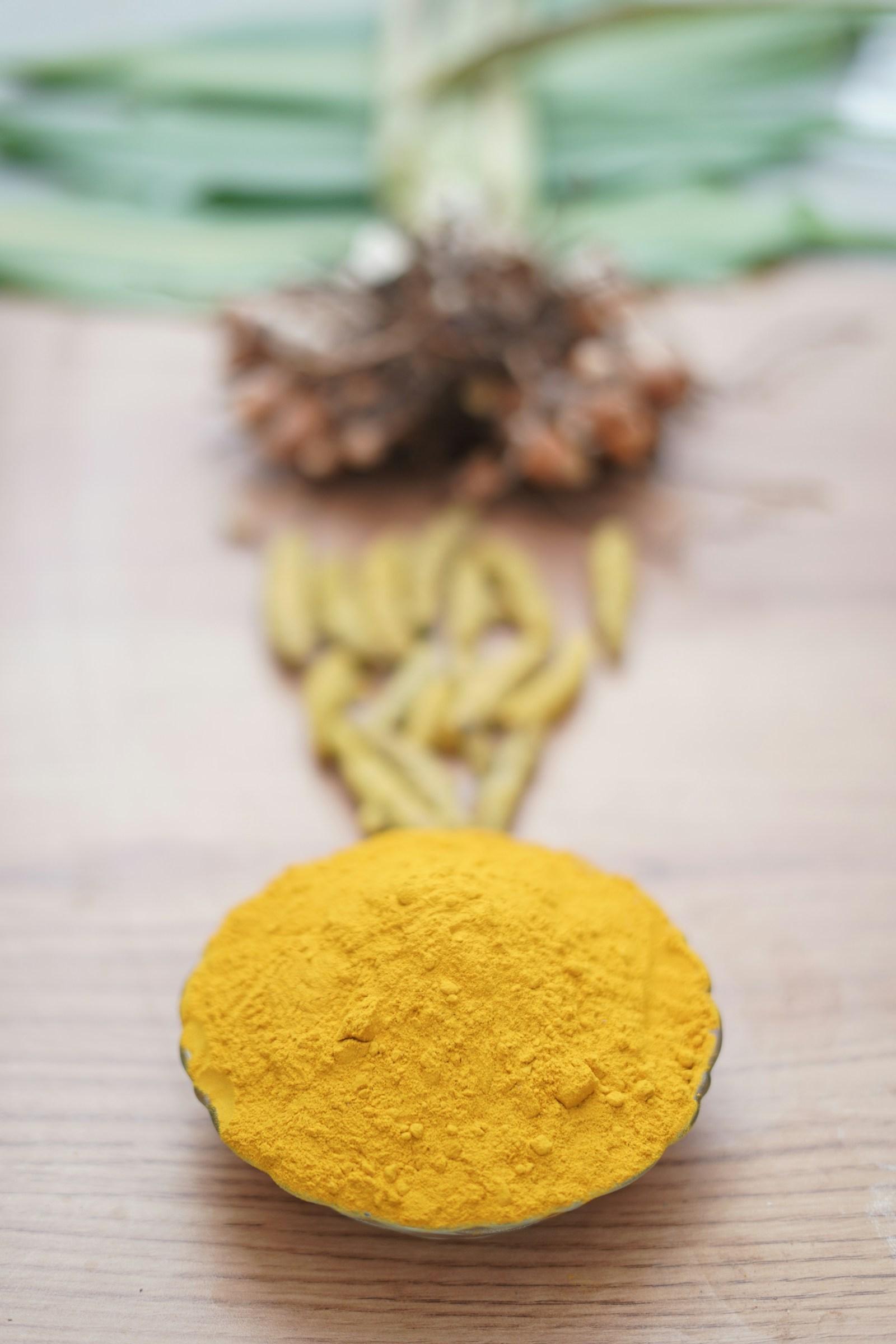
It removes all three solvents from the list of chemicals allowed for extracting annatto extract, paprika oleoresin and turmeric oleoresin, three natural colors. The industry group supplied data showing those uses have been permanently abandoned. Together, the orders leave the three solvents with no remaining authorized uses in food color additives or their production.
Both take effect 60 days after publication, in early January 2027.
What these chemicals were doing near your food
Annatto, paprika and turmeric oleoresins are concentrated natural colors made by pulling pigment out of seeds, peppers and roots, and they end up in cheese, snacks, cereals and drinks. The three solvents were once permitted to do that pulling.
Methylene chloride, also known as dichloromethane, was also allowed as a thinner in the inks used to stamp markings directly onto fruit and vegetables.
Any of the solvent that survived processing would appear in the color only as a trace residue, which is one reason the FDA declined to extend the cancer-based removal to the extraction uses: under the law, a leftover residue counts as an impurity, and impurities are not covered by the Delaney Clause the way ingredients are.
Why this is happening now
The Delaney Clause is a 1960s provision of US food law with no room for negotiation: if a color additive that people ingest is found to induce cancer in humans or animals, it is deemed unsafe, full stop.
Courts have called the clause extraordinarily rigid, and it is the same legal lever the FDA used to ban Red No. 3 in January 2025. These new orders are a quieter version of the same story. They are not part of the administration's April 2025 plan to phase out petroleum-based synthetic dyes, though they move in the same direction.
One began with consumer groups invoking the cancer clause; the other began with manufacturers conceding they no longer needed the chemicals.
What this does not mean
This is not a recall, and there is nothing in your kitchen to throw out. The FDA's decision on extraction solvents rests on the industry's own showing that these uses ended years ago, so the practical supply of annatto, paprika and turmeric colors does not change.
The headline synthetic dyes, like Red 40 and Yellow 5, are untouched by these orders; they are being handled through a separate, mostly voluntary phase-out. And while methylene chloride caused cancer in lab animals, these orders are about trace residues and legal permissions, not evidence that colored foods were harming anyone.
The useful takeaway
Regulatory cleanup rarely makes news, but this is how the food supply actually gets safer: leftover permissions for old chemicals get closed out, one rule at a time. If you already read labels to avoid synthetic dyes, nothing about these orders changes your routine.
If you do not, the practical move is still the boring one: look for color names on the ingredient list and choose products that skip them when it matters to you. This article reports on regulatory actions; it is not medical advice.
Sources (4)
- Color Additive Petition from Environmental Defense Fund et al.; Removal of the Solvents Ethylene Dichloride, Methylene Chloride, and Trichloroethylene (Federal Register, 2026-22865)
- Color Additive Petition from the International Association of Color Manufacturers; Removal of the Solvents Methylene Chloride, Trichloroethylene, and Ethylene Dichloride (Federal Register, 2026-22866)
- FDA to Revoke Authorization for the Use of Red No. 3 in Food and Ingested Drugs (FDA, 2025)
- HHS, FDA to Phase Out Petroleum-Based Synthetic Dyes in Nation's Food Supply (FDA, 2025)
This is news reporting and not medical advice.