Drug safety
FDA just added an eye-risk warning to Ozempic and every GLP-1 drug. The risk is real - and very small
By Matthew Spencer
Published · Updated
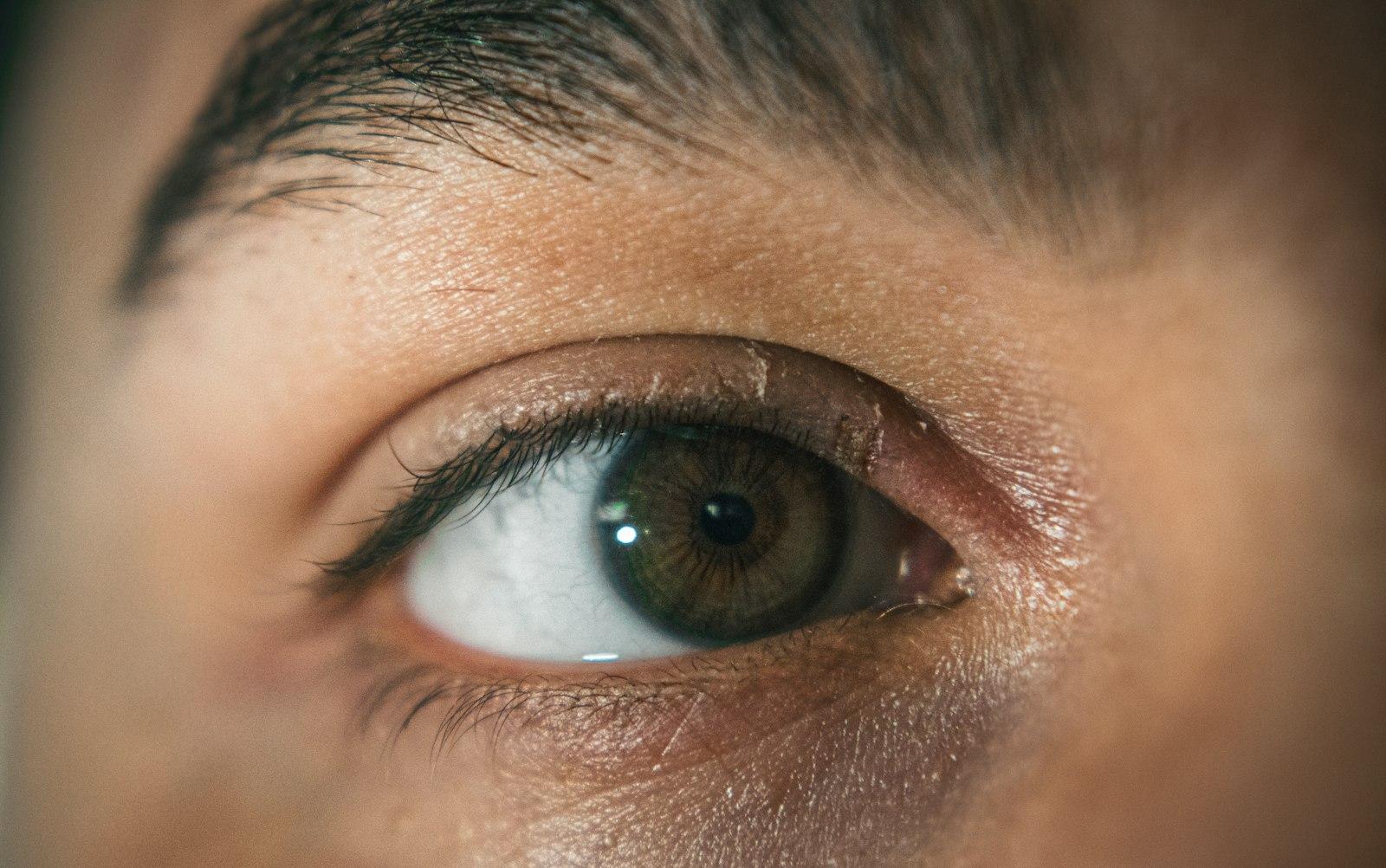
The short answer: On November 9, 2026, the US Food and Drug Administration told the makers of every GLP-1 receptor agonist - the drug class that includes Ozempic, Wegovy, Mounjaro and Zepbound - to add a warning about a rare eye condition called NAION to their prescribing information.
NAION can cause sudden, painless vision loss in one eye and is sometimes permanent. The absolute risk looks very small. In the FDA's own combined analysis of 126 clinical trials, about 6 in 100,000 people per year on a GLP-1 drug had a probable NAION event, compared with about 4 in 100,000 on placebo or another diabetes drug.
If you take one of these medications, the useful takeaway is short: know the symptoms, and get medical help immediately if your vision suddenly changes.
What the FDA actually did
This was a Drug Safety Communication, not a recall and not a market withdrawal. Every GLP-1 RA medication stays on the market. What changes is the label: the Warnings and Precautions section of all drugs in the class must now describe a potential increased risk of NAION.
The list covers liraglutide products (Victoza, Saxenda, Xultophy), semaglutide (Ozempic, Rybelsus, Wegovy), tirzepatide (Mounjaro, Zepbound - technically a dual GIP/GLP-1 agonist) and orforglipron (Foundayo), the first oral small-molecule entrant approved in 2026.
What NAION is
NAION - non-arteritic anterior ischemic optic neuropathy - happens when blood flow to the front of the optic nerve drops. Typical symptoms are sudden, painless vision loss in one eye, often noticed on waking, along with blind spots, tunnel vision, distorted colors or blurry central vision.
It is rare in the general population: published estimates put it at roughly 2 to 10 cases per 100,000 adults over 50 per year.
NAION matters because the vision loss can be permanent, and having it in one eye raises the risk of it happening in the other.
What the numbers show
The FDA reviewed three kinds of evidence: clinical trials, animal data and postmarketing reports.
The strongest numbers come from the agency's meta-analysis of 126 randomized trials covering 134,253 patients. It found 15 probable NAION events in total - 10 in people on GLP-1 drugs, 5 on placebo. That works out to 6.4 cases per 100,000 person-years on a GLP-1 versus 3.8 per 100,000 on a comparator.
A separate FDA study of real-world insurance records from 2019 to 2024 told a murkier story. NAION rates among people with type 2 diabetes ranged from 26 to 32 per 100,000 person-years no matter which common diabetes drug they started.
Compared with SGLT-2 inhibitors, GLP-1 users showed no statistically significant increase (hazard ratio 1.19, with a confidence interval that crosses 1). Compared with older DPP-4 inhibitors, the increase did reach significance (hazard ratio 1.43).
Read together: the signal is consistent enough that the FDA wants it on the label, and small enough that most individual patients will never encounter it.
Why the usual caveats apply double here
NAION's known risk factors - diabetes, high blood pressure, smoking, sleep apnea, anemia and kidney disease - are exactly the conditions common in people prescribed GLP-1 drugs. The FDA itself said its adverse-event reports were "challenging to interpret" for that reason. Animal studies found no mechanism by which these drugs would cause NAION.
And the July 2024 study that kicked off the review, which linked semaglutide to NAION, had limitations the FDA flagged before doing its own work.
That is the honest state of the evidence: a small, plausible, unproven risk now formally on the label.
If you take one of these drugs
Know the symptoms: sudden painless vision loss in one eye, blind spots or tunnel vision, color distortion, or new blurriness in central vision.
Treat sudden vision change as urgent. Contact your doctor immediately; suspected NAION means a prompt ophthalmology referral.
Do not stop the medication on your own. The FDA's advice for people who have actually had a NAION event is to discuss with their doctor whether to continue. For everyone else, the established benefits these drugs carry for blood sugar, cardiovascular events and kidney disease in their approved uses have not changed.
Mention any history of NAION or its risk factors - smoking, diabetes, high blood pressure, sleep apnea, anemia, kidney disease - to your prescriber, especially before starting.
This article reports a regulatory action and its underlying data. It is not medical advice, and it is not a reason to start, stop or switch any prescription. Those decisions belong with the clinician who knows your history.
Source: FDA Drug Safety Communication, November 9, 2026.
This is news reporting and not medical advice.