Peptides and regulation
Six peptides: what the new US policy does and does not allow
By Matthew Spencer
Published · Updated
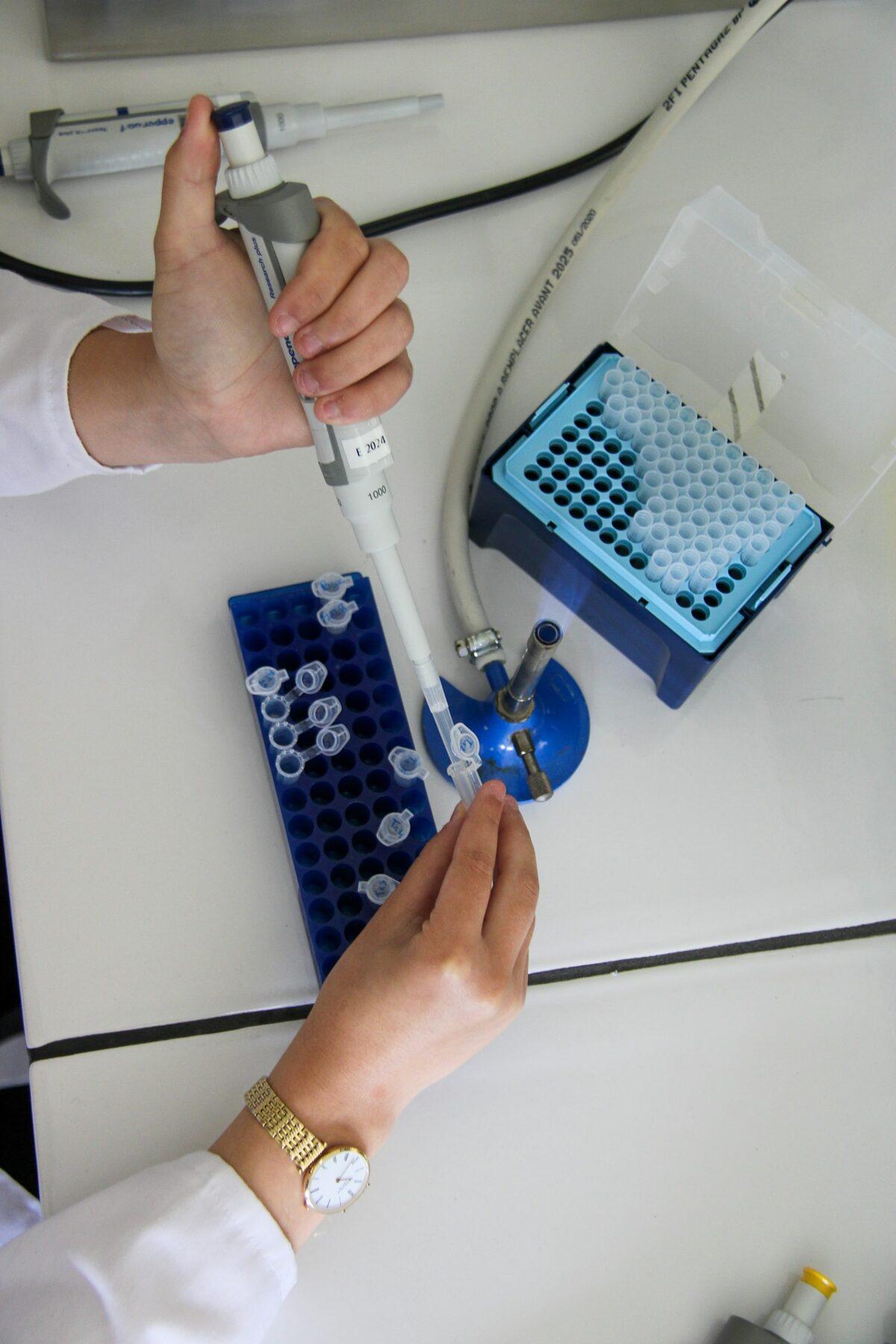
US health officials have said that, under a draft interim policy, they do not intend to take enforcement action against licensed pharmacies, federal facilities or physicians that compound medicines containing any of six peptides, if ten listed conditions are met. The six are BPC-157, Epitalon, KPV, MOTS-c, Semax and TB-500.
The US Department of Health and Human Services (HHS) published the draft on October 30, 2026.
The short version for anyone curious about these products: this is not an approval, and it is not a green light to buy them from anywhere. The notice itself says compounded drugs are not approved by the FDA, so the agency does not check their safety, effectiveness or quality before they are sold.
It does not say the six peptides work for any health or fitness goal.
What the policy does cover is a narrow route. The peptide has to be made by a state-licensed pharmacy, a federal facility or a licensed physician, on a prescription for one patient, and the label has to say "This is a compounded drug product. Not for resale." A product can contain only one of the six.
The ingredient needs a test certificate from an FDA-registered facility, the original manufacturer has to be registered and meet manufacturing standards, and serious side effects and quality problems have to be reported to FDA and the states.
What it does not cover is the "research use only" peptides sold online. HHS says its aim is to discourage the widespread use of those products, which it says come from foreign manufacturers and pose a safety risk to US patients, by offering a more controlled alternative. State law is a separate matter that the notice does not settle.
It is also temporary and could change. The policy applies only while FDA works through the rulemaking that decides which bulk ingredients pharmacies may use, and HHS says it may revisit the policy if a safety signal or a product quality problem appears.
The notice says the policy creates no rights for anyone and does not bind HHS or the public.
Why these six? HHS gives reasons in the policy documents, though not a full account of how the list was drawn up.
The notice says that, based on a meeting of FDA's Pharmacy Compounding Advisory Committee and data on how often peptides are used in compounding, HHS believes there is significant interest in these peptides and a lack of approved products.
All six had been on an FDA Category 2 list since 2023 and came off it on April 22, 2026; the policy says neither being on the list nor coming off it changed their legal status.
For all six, FDA's drug center had recommended against adding them to the official list of ingredients pharmacies may use, and the advisory committee voted in favor.
For each peptide, HHS gives three reasons for going ahead anyway. Two repeat across all six. First, test results from FDA-registered manufacturers now fill gaps the drug center had pointed to, such as contamination and impurity checks.
Second, use in compounding is now documented and measured, where the drug center had found it unclear or could not find any. The third reason is about safety. For TB-500, Epitalon, Semax and KPV, HHS says the drug center's concerns were based on theory or missing information rather than harm actually seen.
For BPC-157, HHS points to the policy's own conditions, such as batch testing and single-ingredient products. For MOTS-c, it cites a placebo-controlled trial of a related version that reported no serious side effects, plus animal studies. These are HHS's own statements, and we have not checked the underlying data.
The policy also names the form each peptide can be made in. Semax only as a nasal product. TB-500, MOTS-c and Epitalon only as injections, with Epitalon in intermittent courses. KPV only as topical or oral products. BPC-157 as injections, oral or topical products.
The documents also do not say how these six were picked out of the many peptides sold online, or why others were left out; we found no explanation of that in the notice or the policy.
What we do not know from these documents: whether these peptides work, how safe they are over time, or what a prescription version would cost or where it would be available. Comments on the draft are open for two weeks after October 30 through docket HHS-OASH-2026-0496, and the policy's own web page is where the latest version will appear.
Optimize Protocols reports health news. This article is not medical advice and does not recommend any peptide, dose or product.
Sources (3)
- Federal Register notice 2026-22192: Enforcement Discretion Policy Regarding 503A Compounding Using Certain Peptide Bulk Drug Substances (Oct. 30, 2026)
- HHS: Enforcement Discretion Policy Regarding 503A Compounding Using Certain Peptide Bulk Drug Substances, with Appendices A and B (PDF)
- FDA: Human drug compounding
This is news reporting and not medical advice.