Muscle growth
Light and heavy weights gave similar muscle growth in a small 9-week study. Strength favored heavy
By Matthew Spencer
Published · Updated
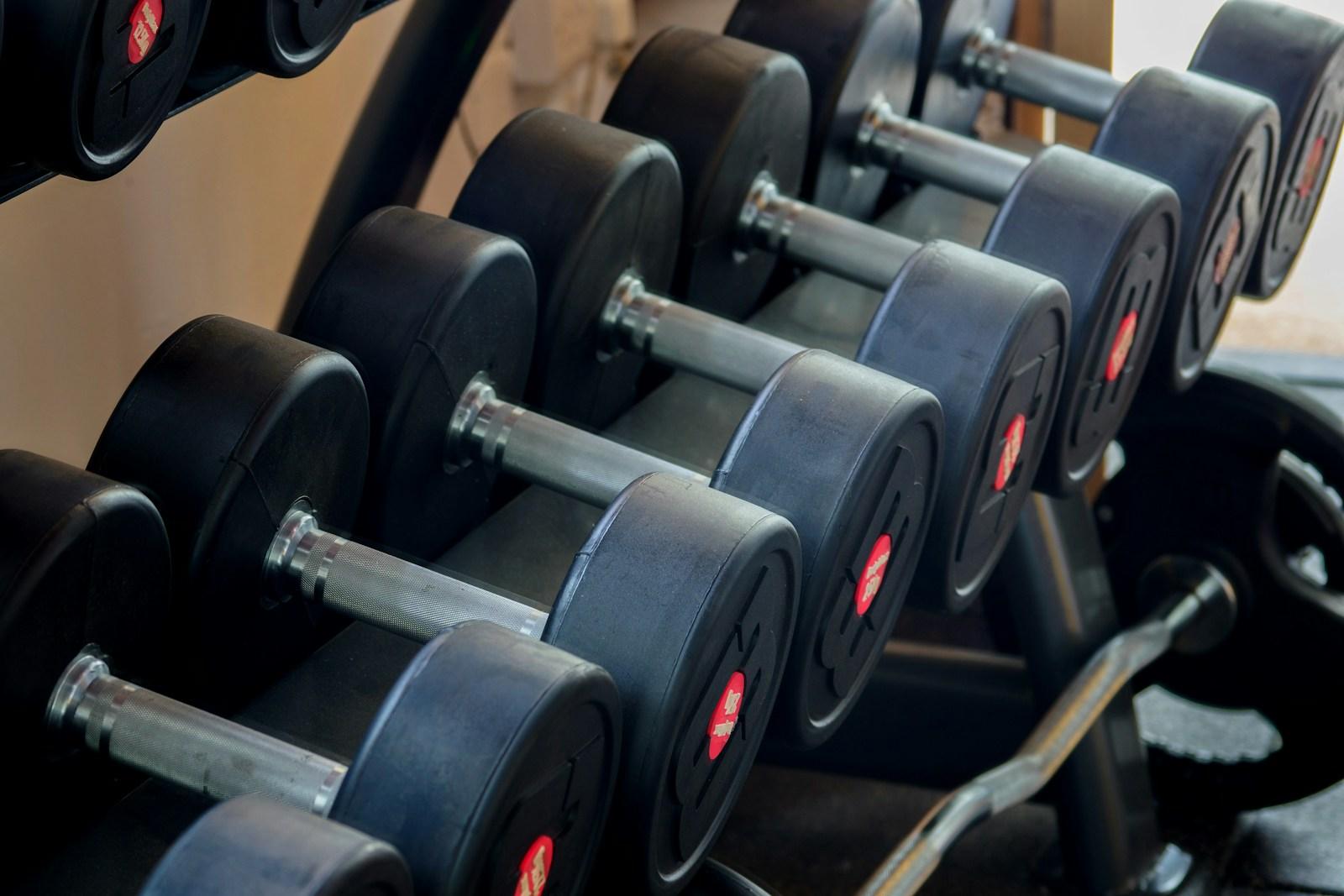
If your goal is bigger muscles, the weight on the bar matters less than how close you take each set to failure. That is the consistent finding of the last decade of hypertrophy research, and a new nine-week study in recreationally trained men lands in the same place.
Researchers from three US universities had 17 recreationally trained men lift three times a week for nine weeks. One group used 85 percent of their one-rep max, the other just 30 percent, with every working set taken to failure. Muscle thickness grew significantly across all five measured sites in both groups.
Muscle growth did not differ significantly at 30% and 85% of max
The only muscle showing a statistically different trajectory between groups was the triceps, and with 17 participants that single finding should be treated as tentative. The authors concluded that hypertrophy was similar when effort was matched. With 17 men, the trial could miss a real difference.
This mirrors the broader evidence. A 2017 systematic review and meta-analysis found the same pattern across studies: when sets are taken close to failure, light and heavy loads build comparable muscle.
Strength is where heavy weights win
The heavy-load group gained more strength on their one-rep max, which fits the meta-analytic picture. Muscle size responds to effort and volume, but maximal strength is a skill that depends on practicing heavy loads.
If you care about how much you can lift, some of your training needs to be heavy. If you care about size, the evidence suggests the load range is forgiving.
Why this matters for your week
The practical payoff is flexibility. Sets in the 30 percent range take many more reps per set, while sets at 85 percent mean fewer reps and less time under the bar. Either way, the sets in this trial were taken to failure, so the result applies to hard sets.
Both loads grew muscle here, so the choice can follow your recovery, your schedule and what keeps you training consistently. The variable the trial held constant was effort: every set went to failure, so it does not tell us what light weights do far from failure.
The limits worth knowing
Seventeen young men over nine weeks is a small, short study, and the hormone measures showed no meaningful changes. The load-and-growth conclusion rests on the wider body of research, not on this trial alone.
The honest takeaway: for muscle size, pick a load you can take close to failure and progress over time. For maximal strength, keep some genuinely heavy work in the week. This is educational material, not personal training advice.
Sources (2)
- Bello et al., Journal of Functional Morphology and Kinesiology 2025: Muscle Hypertrophy, Strength, and Salivary Hormone Changes Following 9 Weeks of High- or Low-Load Resistance Training
- Schoenfeld et al., Journal of Strength and Conditioning Research 2017: Strength and Hypertrophy Adaptations Between Low- vs. High-Load Resistance Training - a systematic review and meta-analysis
This is news reporting and not medical advice.