Health and fitness
A sharper definition of obesity just beat BMI at predicting early death
By Monica O’Reilly
Published · Updated
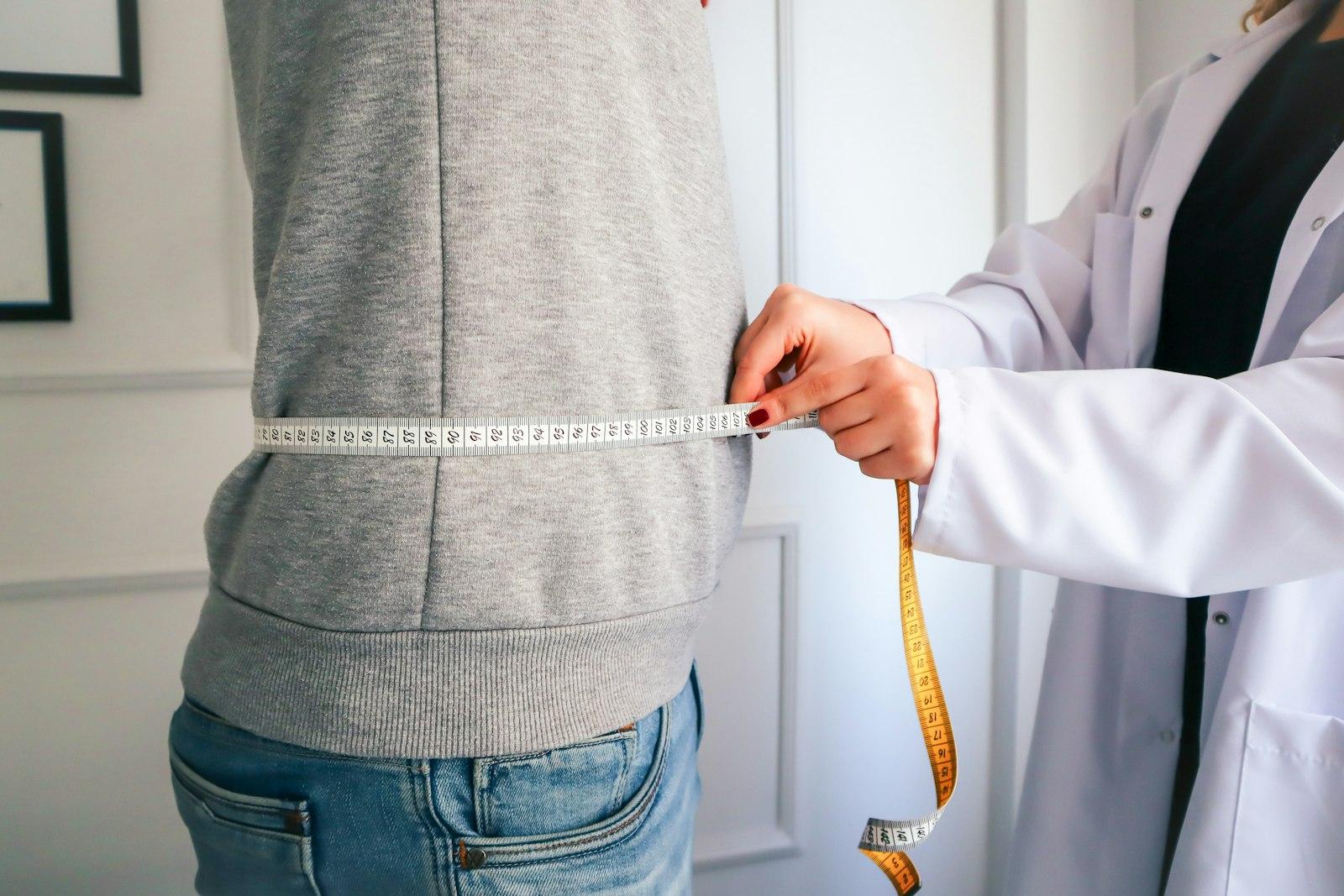
BMI is the number most of us get measured against. It is also blind to the difference between fat and muscle, and it says nothing about what that fat is doing to your organs. A study published on November 11 in the International Journal of Obesity tested a replacement on 6,978 British adults, all aged 46.
The headline: the new clinical obesity framework reclassified most of the people BMI labels as obese. And only the framework's categories lined up with who was actually at risk of dying within five years.
What the study did
A University College London team took data from the 1970 British Cohort Study, which has followed one generation since birth. They applied the clinical obesity framework proposed by a Lancet Commission in January 2025: excess body fat confirmed by at least one measurement beyond BMI, such as waist circumference, plus signs that the excess fat is affecting the body.
Under that framework, obesity comes in two stages. Pre-clinical obesity means excess fat without current organ problems. Clinical obesity means the excess fat is already limiting daily activities or damaging organs or tissues.
The researchers compared those labels against standard BMI categories, then checked both against health indicators and five-year mortality.
Most BMI obesity labels did not hold up
BMI sorted 32.4 percent of the 46-year-olds into obesity. The framework classified only 17.7 percent as having clinical obesity, with 52.5 percent pre-clinical and 29.8 percent with no obesity.
Of the people BMI calls obese, only 31.4 percent met the criteria for clinical obesity. The other 68.6 percent had excess fat but no current signs of it harming their bodies.
The mismatch ran both ways. The group BMI calls merely overweight included people with no obesity at all and people who already qualified as clinical obesity.
The framework tracked risk; BMI did not
Over five years, clinical obesity was associated with roughly five times the odds of death compared with no obesity (odds ratio 5.17, 95 percent confidence interval 1.54 to 23.3). BMI's categories showed no association with mortality in the same data.
Pre-clinical obesity sat in between, with an odds ratio of 2.82. Its confidence interval crossed 1 (0.93 to 12.2), so that estimate is not statistically conclusive.
These were unadjusted models with small numbers of deaths, which is why the confidence intervals are wide. Treat the mortality signal as an early finding, not a settled fact.
Why BMI fails this way
BMI is a ratio of weight to height. It cannot tell a muscular build from a fat one, and it misses people at a "healthy" weight who carry fat around their organs.
The January 2025 Lancet Commission, chaired by King's College London bariatric surgeon Francesco Rubino with more than 50 international experts, argued obesity should be diagnosed by what the fat is doing, not just how much you weigh.
What this means if you track your own numbers
A BMI reading alone tells you less than you think. Adding a waist measurement gives a meaningfully better picture of risk, and it costs nothing.
This study is observational, drawn from one UK cohort measured at a single age, so it cannot prove the new labels cause better predictions. One author disclosed institutional research funding from Novo Nordisk, unrelated to this work.
Nothing here is medical advice. If you are reassessing your own risk, a clinician can measure what a scale cannot.
Sources (4)
- Blodgett JM, Mitchell JJ, Makaronidis J, Hamer M. Rethinking obesity: comparison of the new clinical obesity framework with traditional BMI-based classifications in midlife UK adults. Int J Obes (Lond), 11 Nov 2026.
- Journal page (open access)
- Nature news coverage
- Background on the Lancet Commission framework
This is news reporting and not medical advice.