GLP-1
Retatrutide beat Ozempic by double in a head-to-head trial. It is still not approved
By Matthew Spencer
Published · Updated
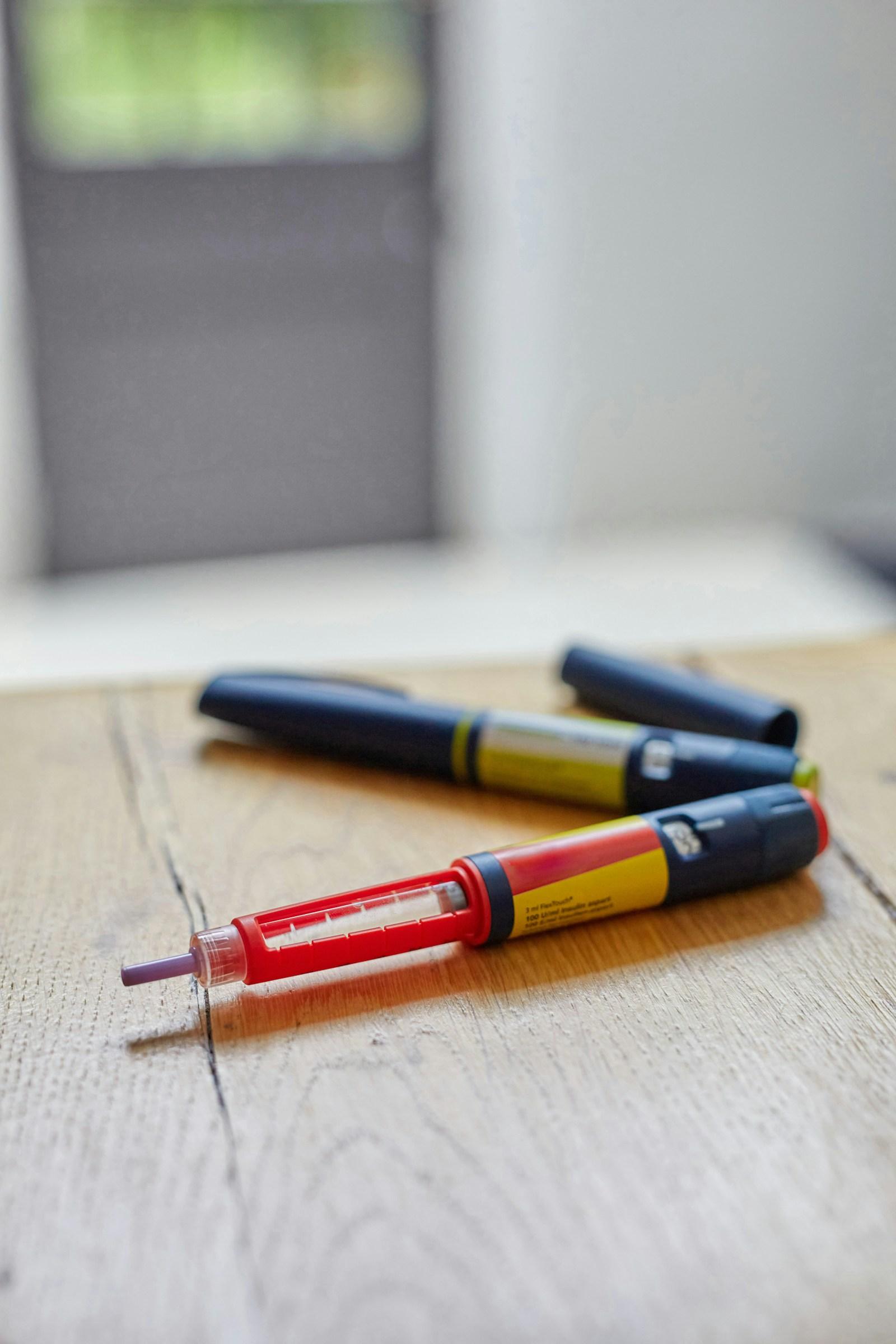
The short answer: Eli Lilly's experimental drug retatrutide just produced two more striking sets of phase 3 results.
In two trials of people with obesity and painful knee osteoarthritis, published in the New England Journal of Medicine on November 8, the highest dose led to about 25% average weight loss, and roughly two-thirds of participants had their knee pain cut at least in half.
Two weeks earlier, Lilly reported the first head-to-head trial against Ozempic at its highest approved dose: retatrutide produced more than double the weight loss and a larger drop in blood sugar. The catch is the same as before: retatrutide is not approved anywhere, and nothing being sold online under that name is the studied product.
What retatrutide is
Retatrutide is a once-weekly injection that activates three hormone receptors at once: GLP-1, GIP and glucagon. GLP-1 is the target of Ozempic and Wegovy; it curbs appetite and slows stomach emptying. GIP, the second target in Mounjaro and Zepbound, is involved in insulin and metabolic regulation.
Glucagon is the new piece: it signals the liver to release stored energy and appears to raise energy expenditure, which may help explain why retatrutide keeps outperforming one- and two-target drugs on weight loss.
The knee arthritis trials
The two trials, TRIUMPH-4 and TRIUMPH-1-OA, enrolled more than 1,000 people with obesity or overweight and painful knee osteoarthritis, a condition that affects about 15 million Americans and makes walking, stairs and standing up difficult. Participants on the highest retatrutide dose lost about a quarter of their body weight on average.
In a pooled analysis, about two-thirds of people on retatrutide had at least a 50% reduction in knee pain, compared with 38% on placebo, and physical function improved alongside. Blood pressure, blood lipids and markers of systemic inflammation also improved.
The lead researcher, Northwestern University's Dr. Thomas Schnitzer, frames the likely mechanism simply: less weight means less load on the knee. Whether the drug also calms joint inflammation directly is still unknown.
The head-to-head against Ozempic
In TRANSCEND-T2D-2, reported October 28, about 1,300 adults with type 2 diabetes received retatrutide or Ozempic 2 mg for 80 weeks. Average A1C, the main blood-sugar marker, fell 2.2 percentage points on retatrutide versus 1.8 on Ozempic.
Average weight loss was 20.9% on the higher retatrutide dose versus 9.4% on Ozempic, more than double, with larger improvements in triglycerides, non-HDL cholesterol and systolic blood pressure.
Side effects were mostly gastrointestinal and usually mild to moderate: nausea hit 24% on the highest retatrutide dose versus 21% on Ozempic, and 7.9% stopped retatrutide because of side effects versus 2.7% on Ozempic. A tingling-type skin sensation called dysesthesia was also more common on retatrutide.
These are topline results from a company press release; the full peer-reviewed paper is still to come.
What earlier data showed
These results extend a consistent pattern. In May, Lilly reported TRIUMPH-1, its pivotal obesity trial: 28.3% average weight loss over 80 weeks at the highest dose, and 30.3% at 104 weeks in an extension study of participants who started with a BMI of at least 35.
And in a 2024 phase 2 trial focused on fatty liver disease, the highest doses cut average liver fat by more than 80% over 48 weeks, which fits the glucagon receptor's role in burning stored liver fat.
What we still do not know
No one knows the long-term safety profile yet; the drug has been studied for months to about two years, not decades. The knee trials excluded people who needed joint replacement, so they cannot say whether retatrutide slows arthritis itself or spares anyone surgery, and they did not include people of normal weight.
Lean mass loss remains a real concern with any drug that produces weight loss this large; the first randomized trial on that question, published this week, found resistance training preserved muscle and strength during GLP-1 weight loss. And the TRANSCEND results are company-reported toplines awaiting peer review.
An important warning
Retatrutide has no FDA approval and no approved dosing schedule. Products sold online as retatrutide are unregulated research chemicals of unknown purity and dose, and using them is a gamble the trial data says nothing about. Lilly has not announced a filing or approval date; one more big head-to-head trial, against tirzepatide, is still running.
The useful takeaway
If retatrutide is approved, and that is still an if, the data so far suggests it could reset expectations for treating obesity, type 2 diabetes and obesity-related joint pain in one move. For now, the proven options remain the approved GLP-1 and GIP drugs plus the unglamorous foundation of diet and resistance training.
If you are considering any medication in this class, that is a conversation for your doctor, not an online vendor. This article reports trial results and company announcements; it is not medical advice.
Sources (5)
- Lilly's retatrutide delivered greater A1C reduction and more than double the weight loss of Ozempic's highest approved dose in head-to-head trial (Eli Lilly, Oct 28 2026)
- Experimental weight-loss drug eases painful knee osteoarthritis in two clinical trials (Northwestern University, Nov 2026)
- Retatrutide for knee osteoarthritis and obesity (New England Journal of Medicine, Nov 8 2026)
- Lilly's triple agonist, retatrutide, delivered powerful weight loss in pivotal Phase 3 obesity trial (Eli Lilly, May 2026)
- Triple hormone receptor agonist retatrutide for metabolic dysfunction-associated steatotic liver disease: a randomized phase 2a trial (Nature Medicine, 2024)
This is news reporting and not medical advice.