Health and fitness
VO2 max: the fitness number that tracks how long you live
By Matthew Spencer
Published · Updated
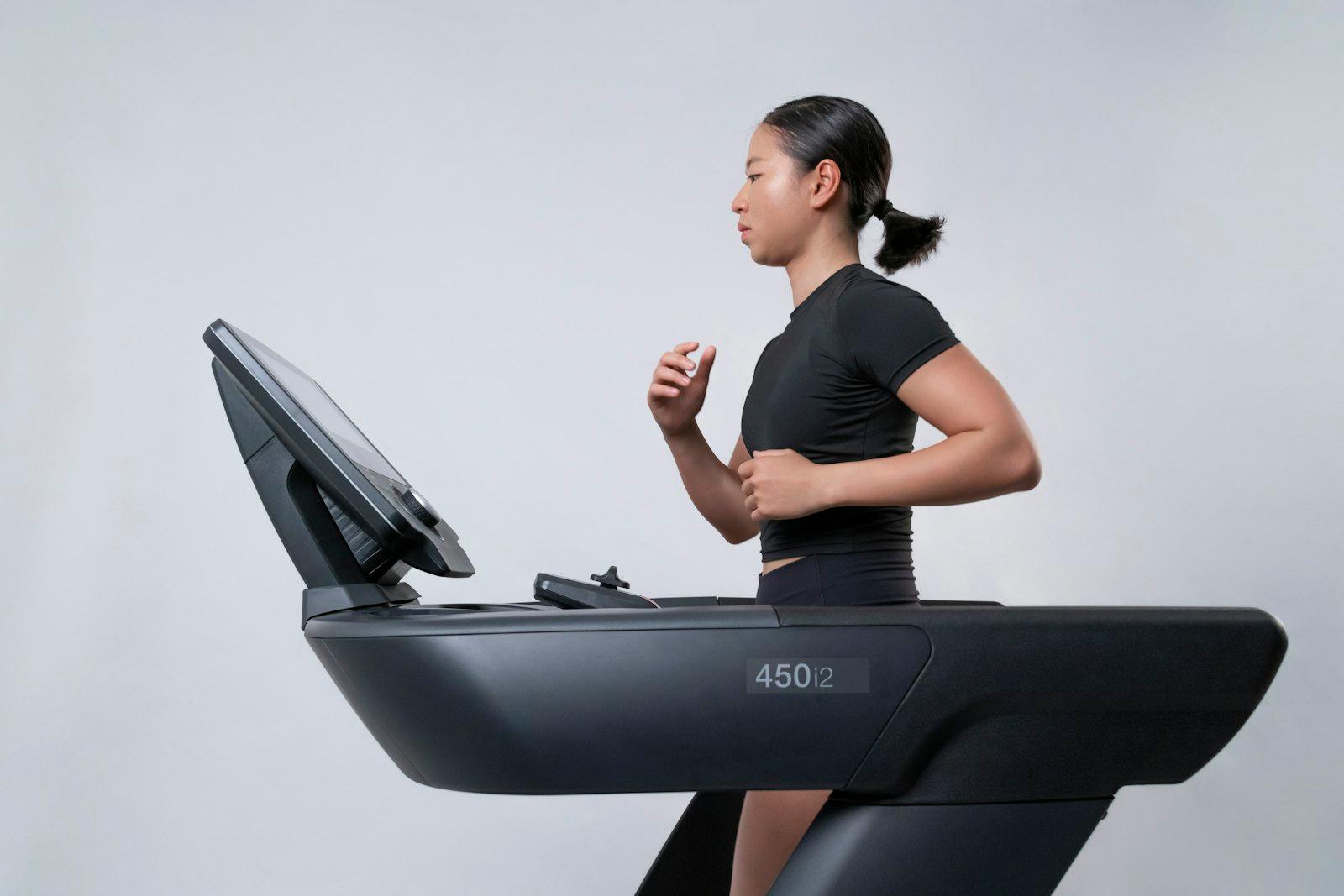
Most health metrics follow a Goldilocks rule: too high is bad, too low is bad. Aerobic fitness looks like an exception. In the largest datasets we have, higher cardiorespiratory fitness keeps tracking with a lower risk of death, and researchers have not found the point where the benefit stops.
The metric behind this is VO2 max: the most oxygen your body can use per minute of all-out effort, scaled to your body weight. It is one number that captures how well your heart, lungs, blood and muscles work together.
The 80 percent gap
A 2018 Cleveland Clinic study followed 122,007 adults who had taken treadmill stress tests, for a median of 8.4 years. Split into fitness groups matched for age and sex, the elite performers had an 80 percent lower risk of dying during follow-up than the lowest-fitness group, after adjusting for other factors.
Put differently, being in the least-fit group came with about five times the risk of being elite. That gap was comparable to or larger than the risk linked to smoking, diabetes or existing coronary artery disease in the same analysis.
The study also saw no upper limit. The most extreme fitness levels came with the lowest death rates of all, and the pattern held in people over 70 and in people with high blood pressure.
750,000 veterans saw the same shape
A 2022 study of 750,302 US veterans, followed for a median of 10.2 years, found the same inverse, graded pattern across ages 30 to 95, in men and women, and across racial groups. The lowest mortality sat at roughly 14 METs of fitness.
Being unfit was worse than any traditional cardiac risk factor the researchers examined. The least-fit fifth of veterans carried roughly four times the mortality risk of the extremely fit.
A MET is a multiple of the energy you burn at rest, so 14 METs means sustaining effort at fourteen times resting level. That is well-trained endurance territory, but the study found lower risk at every step up the fitness ladder, not just at the top.
Can you actually raise your VO2 max?
Yes, but the size of the gain varies more than most people expect. In the HERITAGE Family Study, 481 sedentary adults completed the same standardized 20-week training program. On average VO2 max rose by about 400 mL of oxygen per minute, but individual responses ran from almost nothing to gains over 1,000 mL per minute.
About 2.5 times more of that variation sat between families than within them, and the study estimated that trainability was up to 47 percent heritable. Your starting point and genetics shape the size of your response, not whether training helps at all.
Intervals or steady miles?
A 2015 meta-analysis of 28 controlled trials in 723 healthy young to middle-aged adults found that both traditional endurance training and high-intensity interval training produced large VO2 max gains. Intervals came out modestly ahead, by about 1.2 mL/kg/min on average.
That edge is far smaller than the gap between training and not training. The bigger lever is consistent work at whatever intensity you will actually repeat week after week.
Why optimizers obsess over it
Physician Peter Attia has called VO2 max one of the most notable exceptions to the Goldilocks principle in health metrics. Writing on his site in 2024, he argued that higher maximal aerobic capacity is associated with steadily lower cardiovascular and all-cause mortality at any age.
That is his reading of the cohort data, and it matches what the two big studies above report. What this data alone cannot prove is that raising your number will extend your life: these are observational cohorts, not randomized trials of training.
The honest caveats
Both mega-cohorts enrolled people referred for treadmill testing, which skews toward patients with a medical reason to be tested. Fitness may also be partly a marker rather than a cause: healthier people find training easier, so some of the gap could run from health to fitness instead of the reverse.
The training evidence is randomized but much smaller and much shorter. Nobody has run a decades-long trial proving that adding 5 mL/kg/min to your VO2 max removes the same risk the cohorts associate with it.
None of this is medical advice. If you are currently sedentary or have a heart condition, ramping into hard training is exactly the situation to discuss with a doctor first.
The practical read: fitness is modifiable, the dose-response favors more, and the biggest jump in the data comes from leaving the least-fit group. The open question researchers still cannot fully answer is how much of the protection is cause and how much is correlation.
Sources (5)
- Mandsager K, et al. Association of Cardiorespiratory Fitness With Long-term Mortality Among Adults Undergoing Exercise Treadmill Testing. JAMA Netw Open, 2018.
- Kokkinos P, et al. Cardiorespiratory Fitness and Mortality Risk Across the Spectra of Age, Race, and Sex. J Am Coll Cardiol, 2022.
- Milanović Z, Sporiš G, Weston M. Effectiveness of High-Intensity Interval Training (HIT) and Continuous Endurance Training for VO2max Improvements. Sports Med, 2015.
- Bouchard C, et al. Familial aggregation of VO2max response to exercise training: results from the HERITAGE Family Study. J Appl Physiol, 1999.
- Peter Attia MD: The [almost] unbelievable effects of a high maximal aerobic capacity on all-cause mortality
This is news reporting and not medical advice.