GLP-1
What happens when you stop a GLP-1? Two new studies put numbers on the heart risk
By Matthew Spencer
Published · Updated
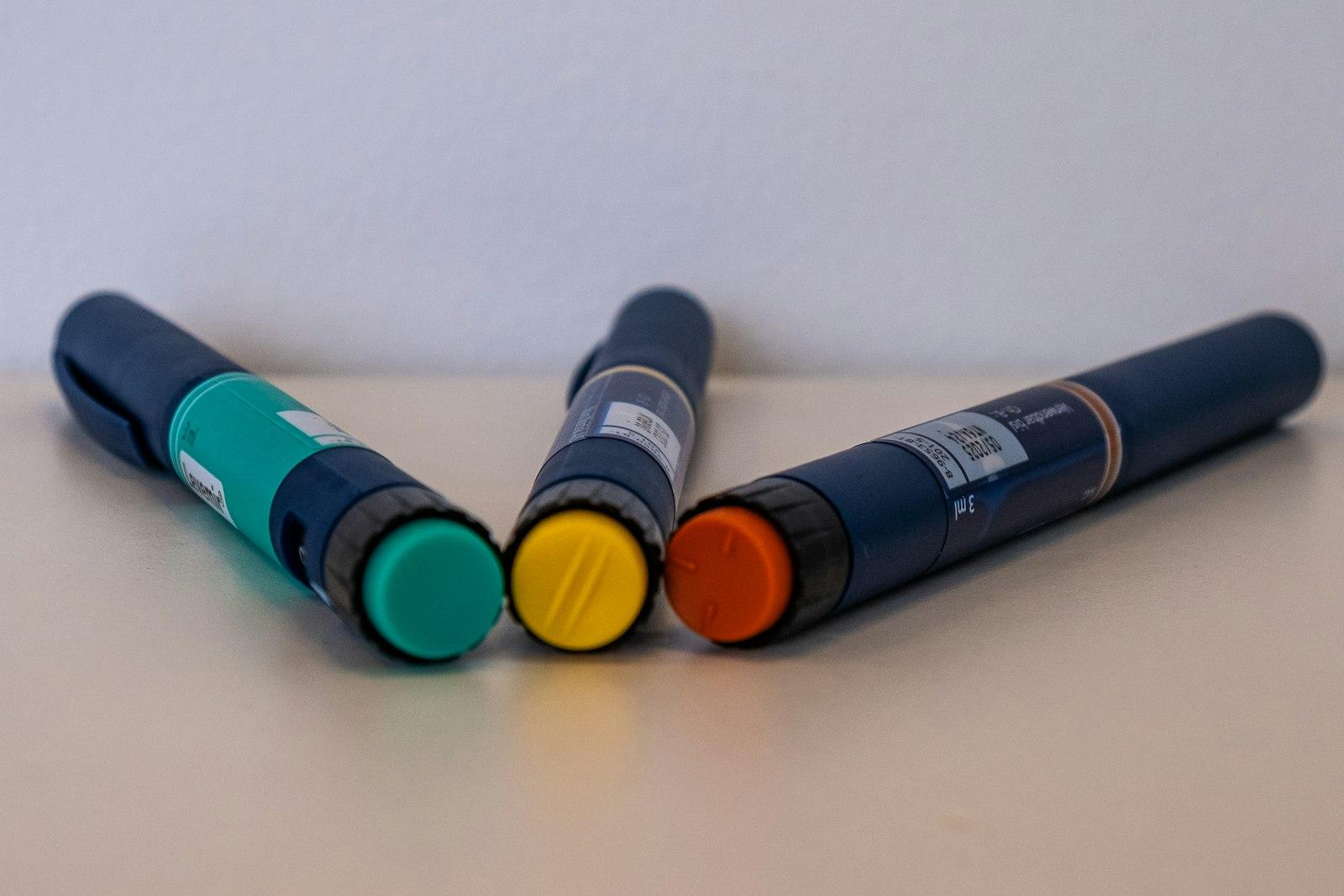
Millions of people start a GLP-1 drug such as semaglutide or tirzepatide, and many stop within a year or two, because of cost, side effects, or hitting a goal weight. Two large studies published this week asked what happens to the heart when they do.
Both reached the same uncomfortable answer: the cardiovascular protection these drugs provide fades after discontinuation, and the risk of heart attack, stroke, and death climbs the longer a person is off the medication.
Neither study can prove cause and effect, and independent experts are urging caution. But the pattern is consistent enough to matter if you are taking, or thinking about stopping, one of these drugs.
The Italian study: stopping roughly doubled the risk
A team led by Antonio Ceriello at IRCCS MultiMedica analysed records from more than 80,000 adults with type 2 diabetes treated at 301 diabetes clinics across Italy between 2004 and 2024. None had established cardiovascular disease when they started a GLP-1.
Over a four-year comparison, people who discontinued their GLP-1 were about twice as likely to have a non-fatal heart attack, a non-fatal stroke, or to die from any cause as people who kept taking the drug.
In absolute terms, roughly four in 100 people who stopped had a heart attack, stroke, or died, compared with about two in 100 who continued. Looked at alone, those who discontinued were more than four times as likely to die from any cause.
The risk was higher in people with obesity. The study was published in The Lancet Regional Health - Europe.
The US veterans study: protection depends on how long you stay on
A second team ran a target trial emulation using US Veterans Affairs records from 2017 to 2023, comparing 132,551 new GLP-1 users with 201,136 new users of sulfonylureas, an older class of diabetes drug. The analysis was published in BMJ Medicine.
Their finding reframes the question. Stopping within the first year and a half left people with no measurable heart benefit over three years, compared with those on the older drug.
People who stayed on a GLP-1 for two to two and a half years before stopping kept a small benefit, about a 7 percent lower risk of major cardiovascular events. Continuous use for the full three years was linked to about a 20 percent lower risk.
Compared with people who never stopped, those who discontinued saw their cardiovascular risk rise steadily: about 4 percent higher after six months off, 14 percent higher after a year, and 22 percent higher after two years.
Why would stopping erase the benefit?
The obvious suspect is weight regain. A BMJ meta-analysis of 37 studies with 9,341 participants found people regain an average of about 0.4 kg per month after stopping a weight-management drug, with weight projected to return to baseline in about 1.7 years.
But the Italian team noticed something odd. In their data, weight, blood pressure, and blood sugar rose only modestly after discontinuation - not nearly enough, on their own, to explain the size of the risk increase.
That suggests the drugs may be doing something beyond weight and glucose control, possibly involving inflammation or direct effects on blood vessels. For now, that mechanism is an open question.
The caveats matter
Both studies are observational. They compared people who happened to stop with people who happened to continue, and those groups may differ in ways the data cannot capture.
Naveed Sattar, a professor of cardiometabolic medicine at the University of Glasgow, points out that people who stop a drug often do so because of side effects, cost, or worsening health. Those same factors independently raise the risk of future disease.
In other words, stopping the drug might not cause the extra risk - the reasons people stop might. The Italian study also recorded no information about why patients discontinued.
Experts also stress the findings do not mean stopping leaves you worse off than never starting. The question they answer is narrower: what happens relative to staying on treatment.
What this means for you
The consistent signal across these studies, and across the weight-regain literature, is that GLP-1 drugs behave like treatments for a chronic condition, not a one-time fix. As one expert group put it, we do not expect blood pressure medication to keep working after it is stopped, and there is no scientific reason to expect obesity treatment to be different.
If you are on a GLP-1 and thinking about stopping, these numbers are a reason to have that conversation with your doctor before you do, not after. The decision may still be right for you - but the evidence now suggests timing and follow-up matter.
What these studies cannot tell you is what happens if you stop with a plan: structured exercise, dietary support, or a maintenance dose. Those trials have not been done yet, and they are the studies to watch next.
Sources (5)
- GLP-1 Receptor Agonists Discontinuation and Cardiovascular Events in Type 2 Diabetes: A Population-Based Study (The Lancet Regional Health - Europe, 2026)
- GLP-1RA Discontinuation and Risks of Major Adverse Cardiovascular Events in Adults with Type 2 Diabetes (BMJ Medicine, 2026)
- Weight Regain After Cessation of Medication for Weight Management: Systematic Review and Meta-Analysis (The BMJ, 2026)
- Expert reaction to the GLP-1 RA discontinuation study (Science Media Centre)
- Study links stopping Ozempic-like drugs with poor heart health outcomes (ABC News)
This is news reporting and not medical advice.